
Turquoise water so clear you can see your toes 5 metres down. Medieval walled towns glowing gold at sunset. Waterfalls tumbling through emerald forests. If that sounds like your kind of summer, Croatia belongs at the top of your list.
The hard part is choosing where to go. The country has more than 1,000 islands, eight national parks, and a coastline that seems to offer a new postcard view around every bend. To make planning easier, I’ve narrowed it down to the 10 best places to visit in Croatia this summer. There’s a mix of famous favourites and quieter hidden gems, plus practical tips, a 7-day route, and advice on where to stay.
Table of Contents
Why Croatia Should Be Your Next Summer Trip
Croatia brings together a lot of what makes a great summer holiday. There’s reliable sunshine, warm and swimmable seas, and enough history to keep you busy between beach days. You can spend the morning walking Roman palace streets, have lunch overlooking the Adriatic, and hop on a ferry to an island by evening.
It’s also easier to visit than ever. Croatia adopted the euro and joined the Schengen Area in 2023, so travelling there from elsewhere in Europe is simple, and you won’t have to think about currency exchange if you’re coming from the eurozone. Compared with Italy or the French Riviera, it often offers better value for coastal scenery of the same calibre, especially if you avoid the busiest hotspots.
Then there’s the variety. Few countries this size let you go from wild national parks to buzzing island nightlife to sleepy hilltop villages in a single trip, and that range is exactly what makes choosing places to visit in Croatia so exciting.
Quick Tips Before You Explore These Places to Visit in Croatia
Best Time to Visit Croatia in Summer
July and August are peak season. Expect the hottest weather (often above 30°C on the coast), the warmest sea, and the biggest crowds and highest prices.
For the best balance, go in June or early September. The sea is already warm in June and still warm in September, the weather is sunny, and popular spots like Dubrovnik and Plitvice feel far more relaxed. Accommodation is usually noticeably cheaper as well.
If you have to travel in peak season, book accommodation and national park tickets well ahead, and plan visits to the busiest places to visit in Croatia for early mornings.
Getting Around: Car, Bus, or Ferry?
Your options:
- Car: Best for flexibility, especially for Plitvice, Krka, and Istria. Croatian motorways are modern and well maintained, though tolled. The Pelješac Bridge, which opened in 2022, means you no longer have to cross the short Bosnian stretch at Neum to reach Dubrovnik.
- Bus: Cheap, frequent, and comfortable between major coastal towns such as Zadar, Split, and Dubrovnik. Book popular routes in advance during summer.
- Ferry and catamaran: Essential for the islands. Fast catamarans link Split with Hvar and Vis, and Dubrovnik with Mljet. Summer sailings sell out, so book ahead.
For reaching most places to visit in Croatia, a combination works well: buses or a hire car on the mainland, and catamarans for island hopping.
How Many Days Do You Need?
- 5 days: Choose one region, for example Split plus Hvar, or Dubrovnik plus Mljet.
- 7 days: Enough for the classic Dalmatian coast route (see the itinerary below).
- 10–14 days: Add Istria in the north, or slow down and spend extra time on the islands.
The 10 Best Places to Visit in Croatia This Summer
1. Dubrovnik – The Pearl of the Adriatic
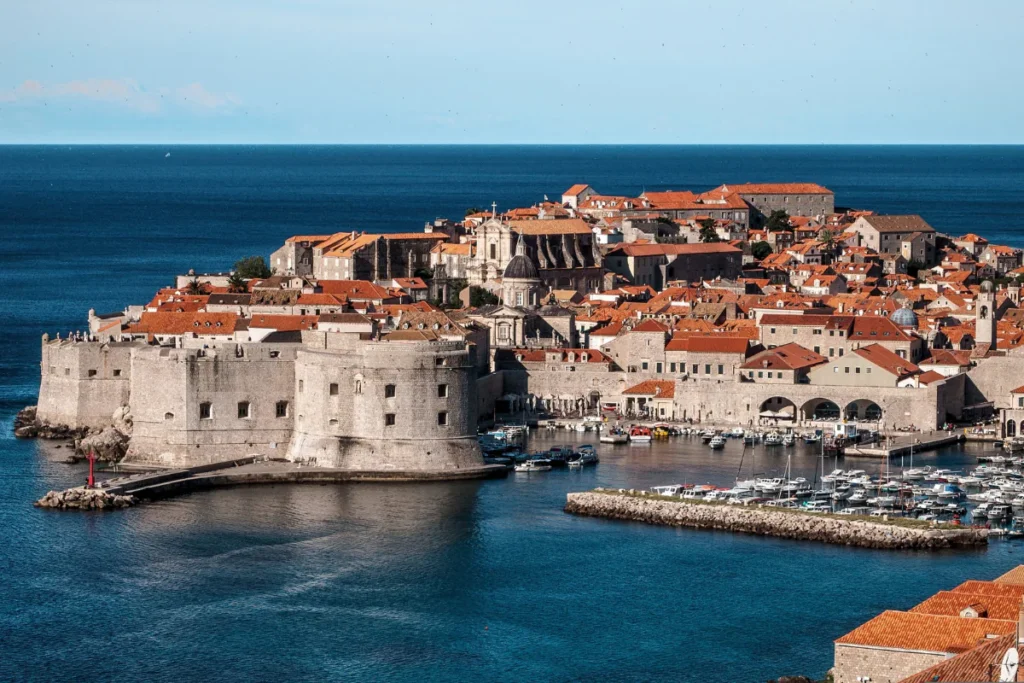
Dubrovnik tops almost every list of places to visit in Croatia, and for good reason. Its UNESCO-listed Old Town is surrounded by massive stone walls, and walking the full loop of roughly 2 km gives you some of the best views in Europe: terracotta rooftops on one side and sparkling sea on the other.
Take the cable car up Mount Srđ at sunset for a panorama of the whole city, or catch the short boat ride to Lokrum Island for a swim and some shade under the pines. Game of Thrones fans will recognise plenty of King’s Landing filming spots.
Summer tip: Walk the walls as soon as they open, before the heat and the cruise-ship crowds arrive. Dubrovnik walking tour
2. Plitvice Lakes – Croatia’s Most Famous Waterfalls
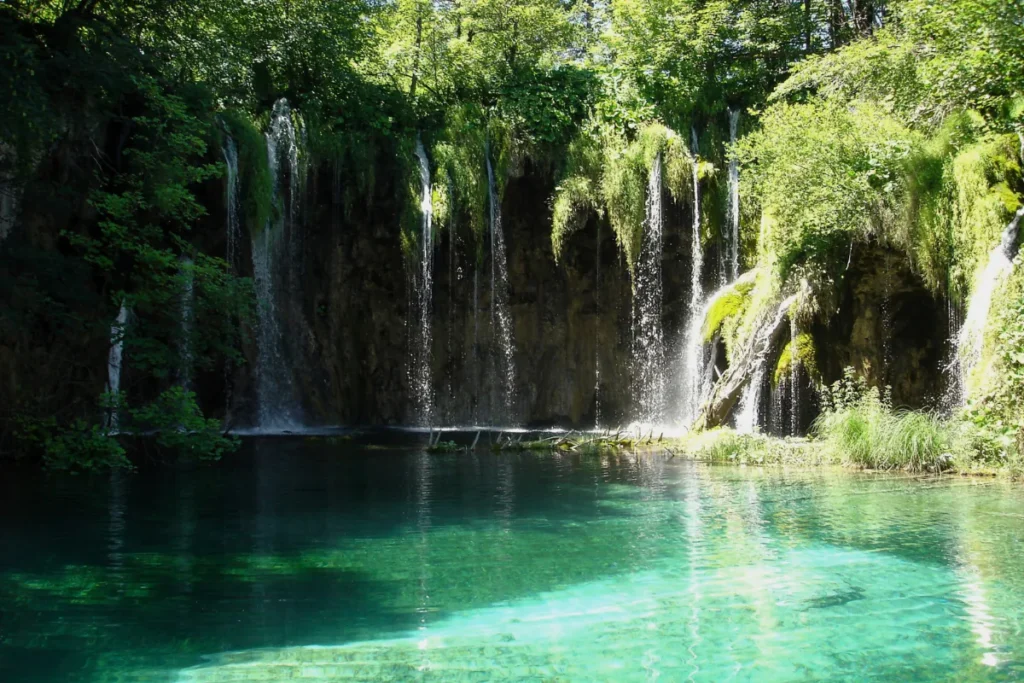
Plitvice Lakes National Park looks almost unreal: 16 terraced lakes in shades of turquoise and emerald, joined by dozens of waterfalls and crossed by wooden boardwalks. It’s one of Croatia’s oldest national parks and a UNESCO World Heritage Site.
Allow at least half a day. The lower lakes include the Veliki Slap, Croatia’s tallest waterfall, while the upper lakes are quieter and just as beautiful. Swimming is not allowed.
Summer tip: In peak season, tickets are sold for timed entry slots, so book online in advance and try to arrive at opening time.
3. Hvar – Beaches, Lavender, and Nightlife
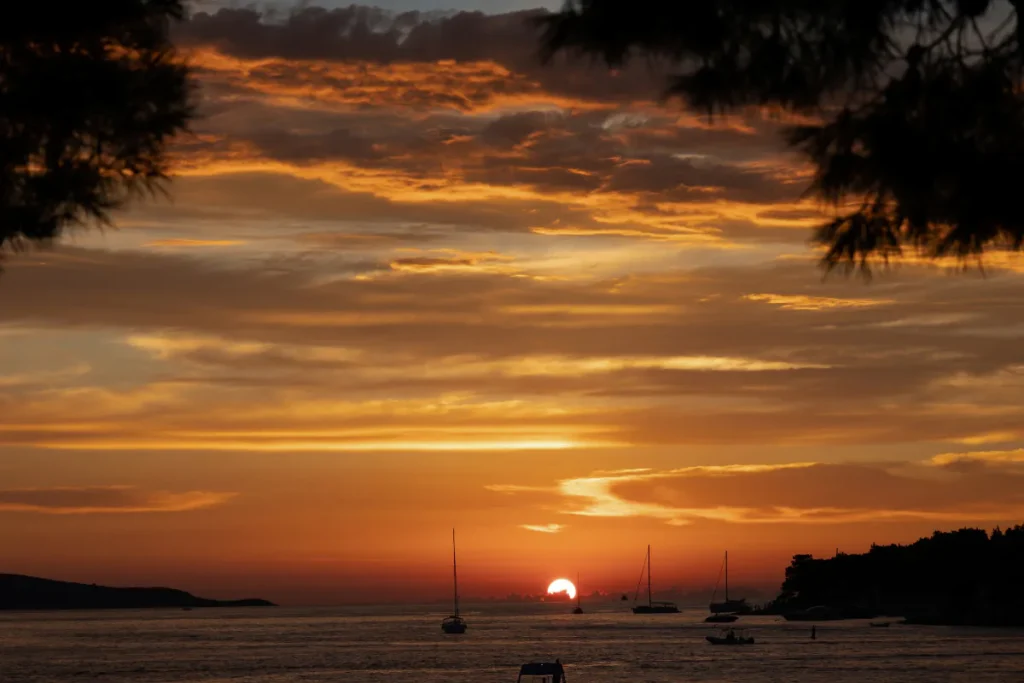
Hvar has a reputation as Croatia’s party island, and Hvar Town’s beach clubs and bars do bring the energy. But there’s much more to the island than nightlife. In early summer, purple lavender fields bloom across the interior, and the quieter towns of Stari Grad and Jelsa have a slower, more local feel.
Don’t miss the climb to the Spanish Fortress (Fortica) for sunset views, or a boat trip to the Pakleni Islands just offshore, where you’ll find secluded coves and crystal-clear water.
Summer tip: Lavender season usually peaks in late June and early July.
4. Split – Living History in Diocletian’s Palace
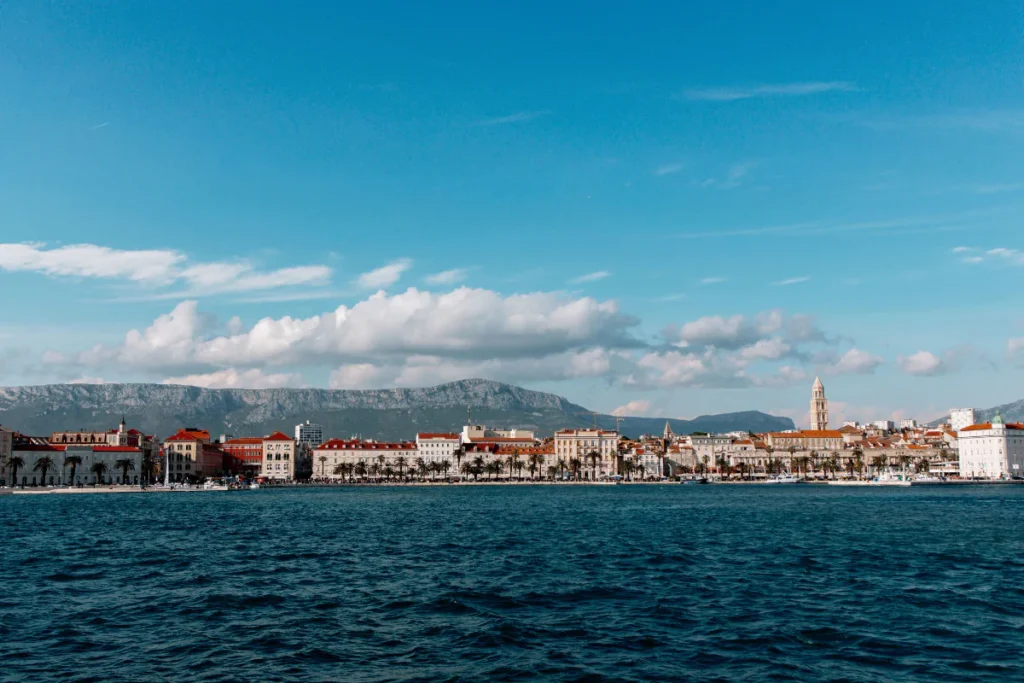
Split is unusual in that people don’t just visit its ancient palace, they live in it. Diocletian’s Palace, built by a Roman emperor around 1,700 years ago, is today a maze of cafés, shops, and homes inside the original walls.
After exploring the palace and the waterfront Riva promenade, walk or cycle up Marjan Hill for forest trails and sea views, or join the locals for a swim at Bačvice beach. Split is also the main ferry hub for the central Dalmatian islands, which makes it an ideal base.
Split hotels / old town walking tour
5. Vis – The Island That Time Forgot
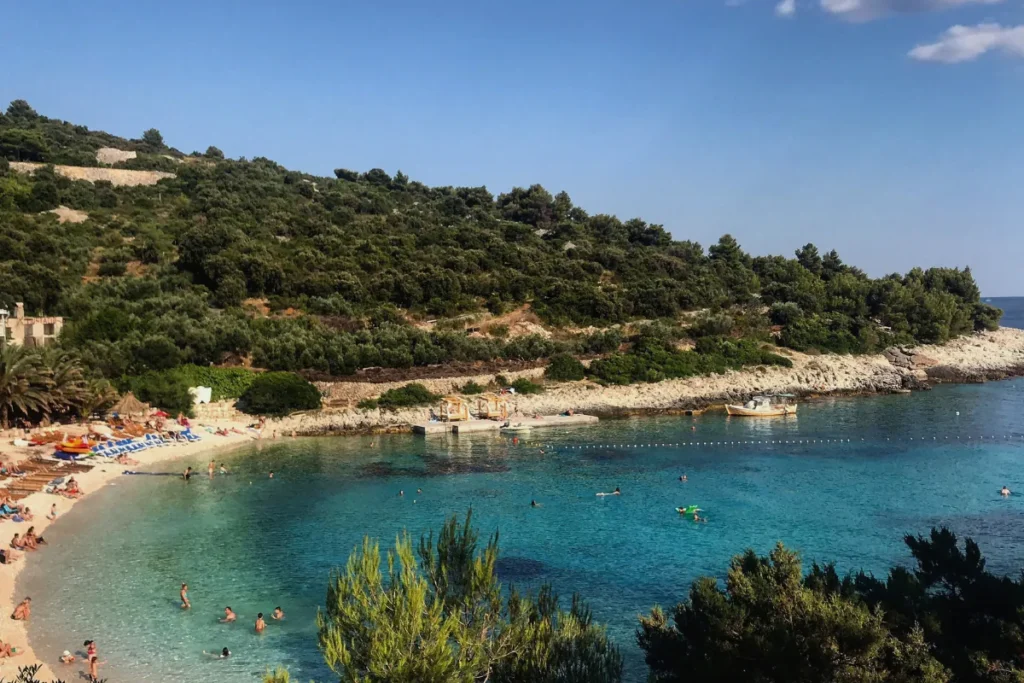
For decades, Vis was a military base closed to foreign visitors, so it largely escaped mass tourism. The result is one of the most authentic places to visit in Croatia, with quiet fishing villages, family run wineries, and a relaxed pace.
Its highlights include Stiniva cove, a tiny beach enclosed by towering cliffs, and a boat trip to the Blue Cave on the nearby islet of Biševo, where sunlight turns the water an electric blue. Mamma Mia! Here We Go Again was also filmed on Vis.
Summer tip: Visit the Blue Cave around midday, when the light effect is strongest. Blue Cave tour from Split
6. Rovinj – Istria’s Most Romantic Town
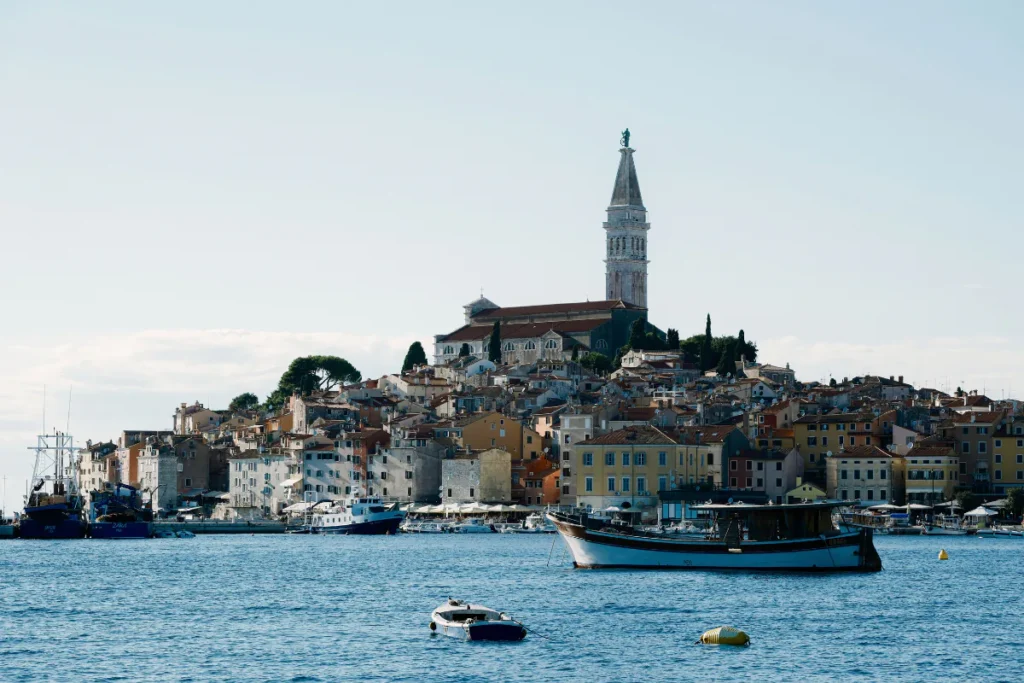
Rovinj, on the Istrian peninsula, is all pastel houses, winding cobbled lanes, and fishing boats bobbing in the harbour. It’s perhaps the most romantic town in Croatia.
Climb up to the Church of St. Euphemia, whose bell tower overlooks the whole town, browse the art galleries in the old streets, and take a dip from the rocky shores of the Golden Cape (Zlatni Rt) forest park. The food is excellent here too, with fresh seafood, Istrian olive oil, and truffles on many menus.
7. Krka National Park – Waterfalls Near the Coast
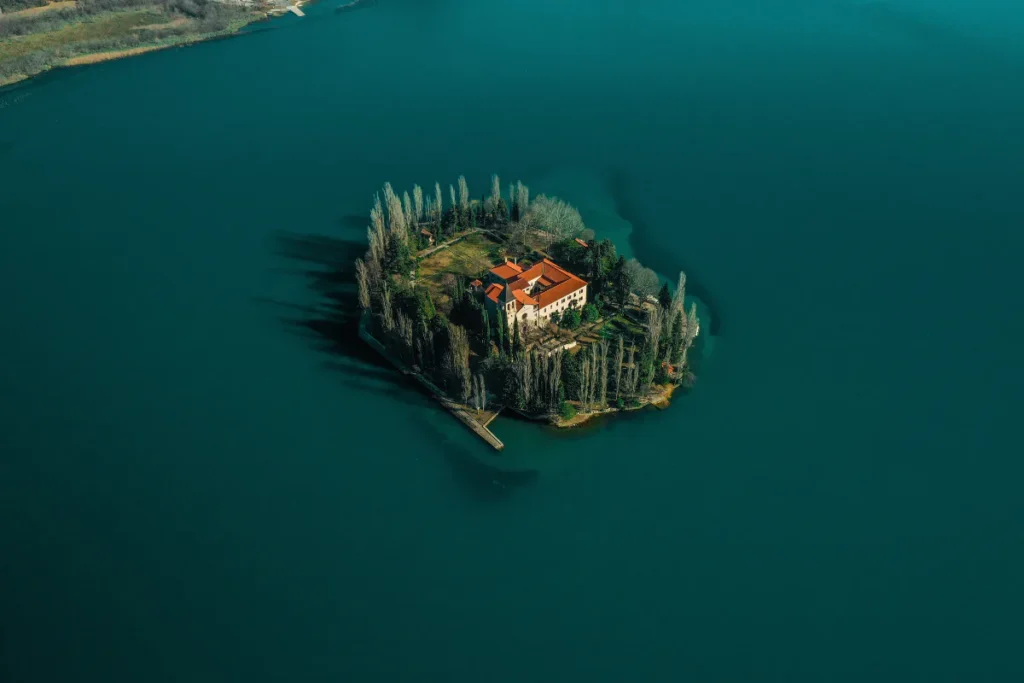
Krka National Park is Plitvice’s more easily reached sibling, only about an hour’s drive from Split. Its centrepiece, Skradinski Buk, is a broad cascade of 17 waterfall steps, and a loop trail and boardwalks let you get close to the falls.
Swimming beneath the falls has been banned since 2021 to protect the ecosystem, but the park is still well worth visiting. Go further inland to see the tiny Visovac monastery island and the Roški Slap falls.
Summer tip: Take the boat from the small town of Skradin into the park for a more scenic arrival. [Krka day trip from Split]
8. Mljet – A Quiet Island Escape
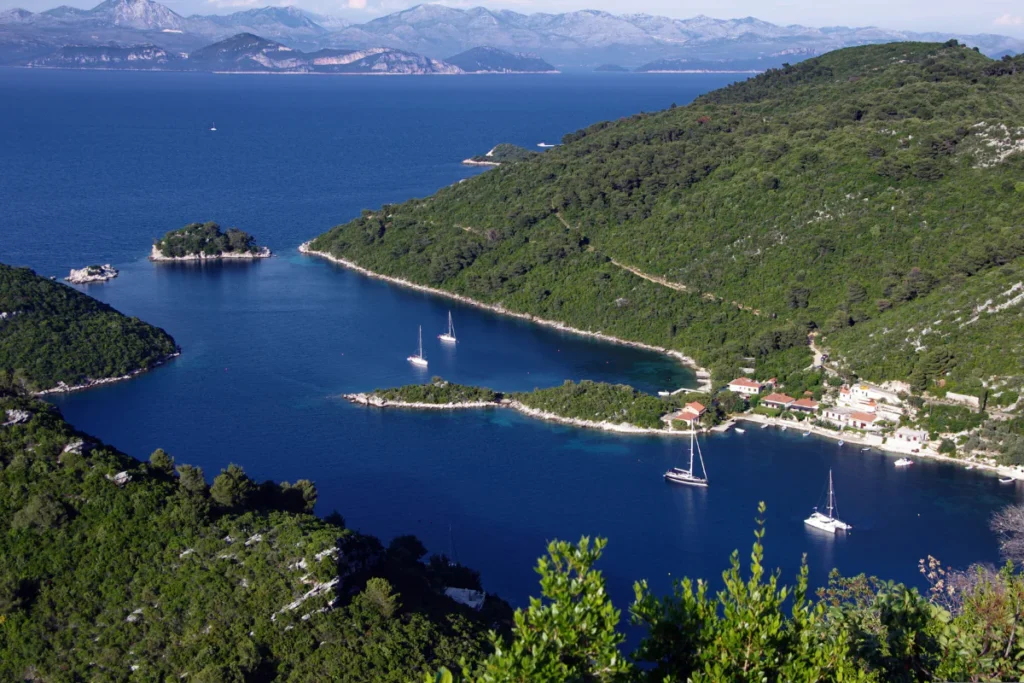
If Dubrovnik’s crowds become too much, Mljet is the antidote, and one of the most peaceful places to visit in Croatia. Much of this green, forested island is a national park, and it has a slow, peaceful atmosphere. Legend says it was where Odysseus was held captive for seven years.
Rent a bike and cycle around the two saltwater lakes, then take the little boat to St. Mary’s islet, home to a 12th-century Benedictine monastery. Saplunara in the south has some of the island’s best sandy beaches.
Summer tip: Mljet makes an easy day trip by catamaran from Dubrovnik, but an overnight stay lets you enjoy it after the day-trippers leave. Dubrovnik–Mljet ferry
9. Zadar – Sunsets and the Sea Organ
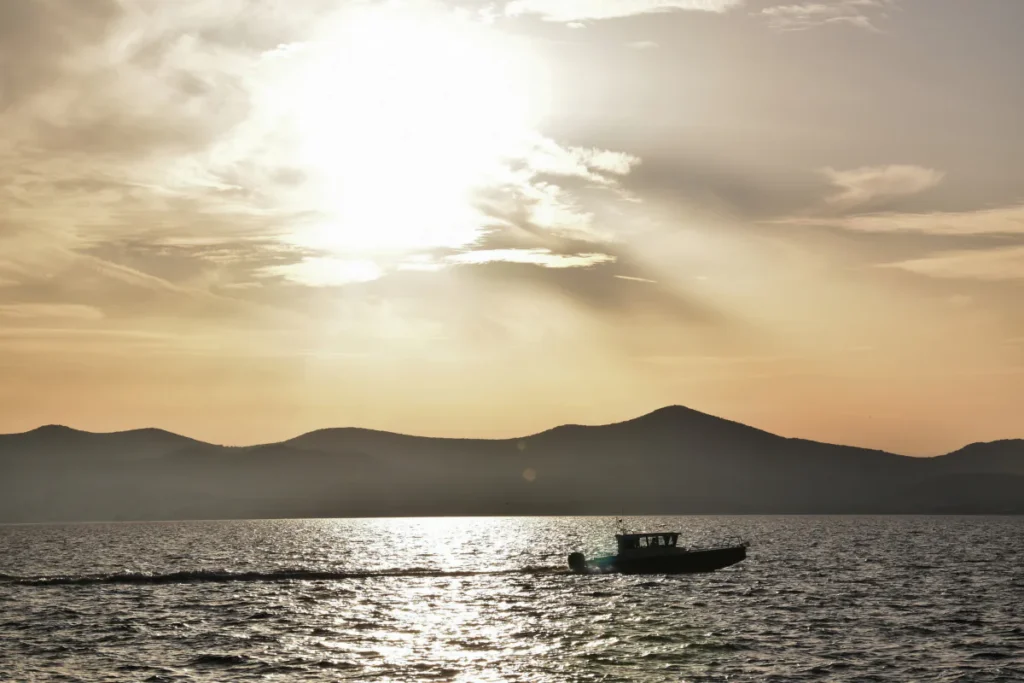
Alfred Hitchcock reportedly called Zadar’s sunset the most beautiful in the world, and after seeing it you’ll probably agree. The best place to watch it is the waterfront, home to two unique installations.
The Sea Organ is a series of marble steps with pipes underneath that play haunting music as the waves push air through them. Next to it, the Greeting to the Sun is a large solar-powered circle that lights up in colourful patterns after dark. By day, explore Roman ruins and churches in the compact old town.
Zadar hotels / Zadar–Plitvice tour]
10. Motovun – A Hilltop Village in Istria
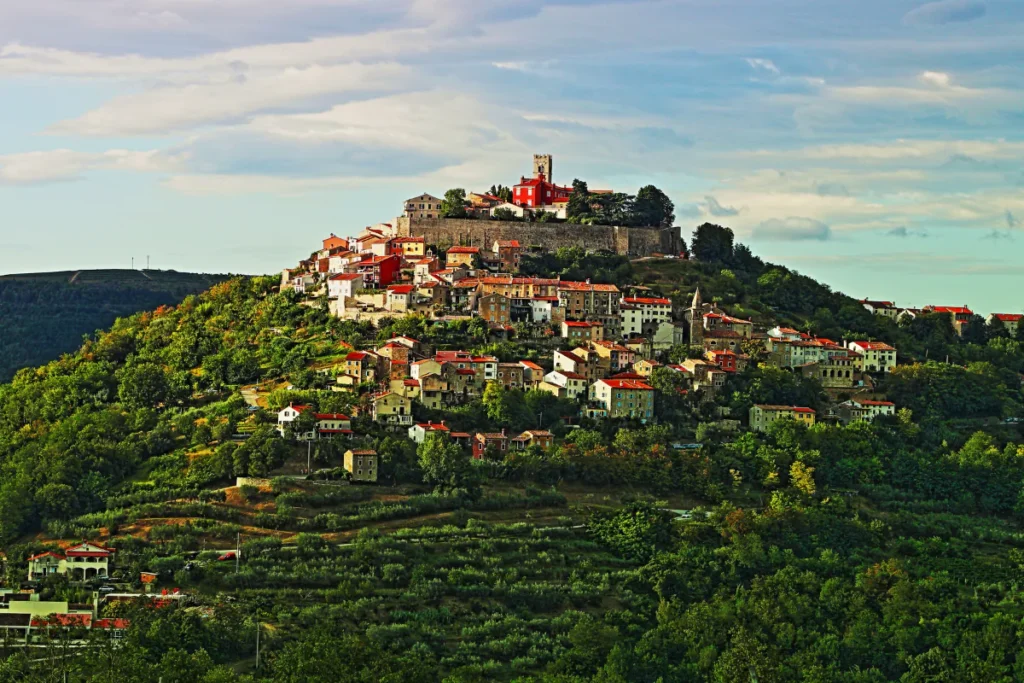
Motovun rises from the Istrian countryside like something from a fairytale. You can walk the medieval walls of this small hilltop village for sweeping views over vineyards and the Mirna Valley below.
This is truffle country, so treat yourself to a truffle pasta or join a truffle-hunting experience in the nearby forests. The village also hosts a popular film festival in summer. Motovun is an easy day trip from Rovinj.
Sample 7-Day Route Through the Top Places to Visit in Croatia
This route follows the Dalmatian coast from north to south and covers seven of the ten places to visit in Croatia from this list.
- Day 1 – Zadar: Arrive, explore the old town, and watch the sunset at the Sea Organ.
- Day 2 – Plitvice Lakes: Day trip from Zadar (about 2 hours’ drive). Arrive early.
- Day 3 – Krka → Split: Stop at Krka National Park on the way south, then spend the evening in Split.
- Day 4 – Split: Diocletian’s Palace, Marjan Hill, and a swim at Bačvice. Optionally, take a day trip to Vis and the Blue Cave.
- Day 5 – Hvar: Catamaran from Split (about 1 hour). Visit the fortress, the Pakleni Islands, and sunset drinks.
- Day 6 – Dubrovnik: Travel south, walk the city walls in the evening, and ride the cable car.
- Day 7 – Mljet or Lokrum: Enjoy a relaxed island day before your flight home.
Got extra time? Add 2–3 days in Istria for Rovinj and Motovun. Since it’s in the far north, it pairs better with a trip that starts in Zagreb or Pula.
Where to Stay: Best Areas for Every Budget
- Dubrovnik: Stay in the Old Town for atmosphere, or in Lapad and Babin Kuk for better value, beaches, and easy bus connections.
- Split: Stay inside or right next to Diocletian’s Palace for convenience, or in Bačvice and Firule for beaches and nightlife.
- Hvar: Stay in Hvar Town for nightlife, or in Stari Grad and Jelsa for a quieter, more affordable base.
- Zadar: The Old Town peninsula puts you steps from the Sea Organ.
- Rovinj: The Old Town is charming but hilly. Hotels on the edge of town offer more space and parking.
Budget travellers should look at private apartments (apartmani), which are everywhere in Croatia and often cost much less than hotels.
Best Hotels Near the Top Places to Visit in Croatia
FAQ About Visiting Croatia
Is Croatia Expensive in Summer?
It depends on where you go. Dubrovnik and Hvar Town are the most expensive spots in peak season, especially for accommodation and restaurants. Smaller towns, the less-visited islands, and inland areas are much more affordable. Travelling in June or September, staying in private apartments, and eating at local konobas (taverns) will stretch your budget a lot further.
Do You Need a Car in Croatia?
Not necessarily. Buses and ferries connect all the main coastal towns and islands. A car is very useful for Plitvice, Krka, and especially Istria, where public transport is limited. On the islands, a scooter or bike is often all you need.
What Are the Most Underrated Places to Visit in Croatia?
Vis and Mljet are two of the most underrated places to visit in Croatia, and in Istria, Motovun and nearby hilltop villages like Grožnjan are hidden gems. Other quieter spots to consider include the Elaphiti Islands near Dubrovnik, the town of Šibenik, and the island of Lastovo.
Final Thoughts: Which Croatian Gem Will You Visit First?
From Dubrovnik’s grand walls to Plitvice’s waterfalls to Motovun’s sleepy lanes, these places to visit in Croatia show off everything that makes the country so special. Whether you want lively beach clubs, peaceful island escapes, or centuries of history, you’ll find a summer trip to match.
Start with one or two regions, book ferries and park tickets early, and leave some time unplanned. Some of Croatia’s best moments happen when you stumble on a quiet cove you didn’t know existed.
Planning more adventures after Croatia? Check out 10 Unique Places to Road Trip in Scotland for a completely different kind of European summer.